

Finding great online arbitrage deals can feel overwhelming at first, but it doesn’t have to be. With the right strategies and tools, you can easily spot profitable products to resell. This guide will walk you through the steps to discover the best online arbitrage opportunities, from identifying popular categories to leveraging community resources. Let’s get started!
Key Takeaways
- Focus on trending categories like Home & Kitchen or Toys & Games for better deals.
- Use product research tools like FBAmultitool to streamline your search.
- Check discount sites like SlickDeals and Brickseek for hidden gems.
- Evaluate products based on Best Seller Rank and average ratings before purchasing.
- Engage with online communities to share and discover new arbitrage opportunities.
- FBAleadsUK – UK Based Buying Leads Platform
Identifying Profitable Product Categories

Finding the right product categories is key to success with online arbitrage. It’s not just about picking what you like; it’s about finding what sells and what you can actually make money on. Let’s break down how to spot those goldmines.
Home & Kitchen
This category is huge, and it’s always in demand. People always need stuff for their homes! Think about everyday items like kitchen gadgets, storage solutions, or even decorative pieces. The trick is to find items that are consistently needed but not dominated by major brands. Look for smaller, niche products where you can find a price difference between retailers. For example, a specific type of reusable food container might be cheaper at one store than on Amazon. Always check product profitability before committing.
Toys & Games
Toys and games can be a seasonal rollercoaster, but there’s always something trending. From educational toys to board games and collectibles, the options are endless. Keep an eye on what’s popular with kids and adults alike. Consider focusing on items that are hard to find or often out of stock in regular stores. This can give you a competitive edge. Just be careful about licensed products and potential safety regulations.
Beauty & Personal Care
This is another evergreen category with a lot of potential. Think about skincare products, makeup, hair care, and personal hygiene items. The key here is to find products with consistent demand and good reviews. Look for deals on bundles or multipacks that you can break up and sell individually. Also, be aware of expiration dates and any restrictions on selling certain types of beauty products. It’s also important to avoid restricted categories on Amazon.
Choosing the right product category is more than just a guess. It requires research, analysis, and a bit of intuition. Don’t be afraid to experiment and test different categories to see what works best for you. Just remember to always prioritize profitability and compliance with Amazon’s policies.
Here’s a quick checklist to consider when evaluating a product category:
- Demand: Is there consistent interest in the products within this category?
- Competition: How many other sellers are offering similar items?
- Profit Margin: Can you realistically make a profit after all expenses?
- Restrictions: Are there any limitations on selling products in this category?
Utilizing Online Tools for Product Research
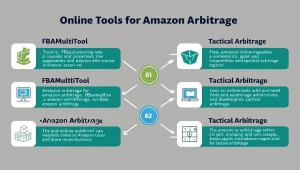
Finding good deals is only half the battle. You also need to make sure those deals will actually sell and make you money. Luckily, there are some great online tools that can help you with product research. I’ve tried a few, and they can really speed things up.
Product Finder Tools
These tools are designed to sift through tons of products and find ones that meet your criteria. They often let you filter by category, price, BSR (Best Seller Rank), and other important factors. It’s like having a virtual assistant that never sleeps, constantly searching for the next big thing. Some tools also show you historical data, so you can see how a product has performed over time. This can be super helpful for spotting trends and avoiding seasonal duds.
Market Research Platforms
Market research platforms give you a broader view of the market. They can help you understand:
- Overall demand for a product.
- Who the main competitors are.
- What price points are working.
Using these platforms can feel a bit overwhelming at first, but the insights you gain are worth the effort. You can see things like search volume, keyword trends, and even customer reviews all in one place. This helps you make smarter decisions about which products to invest in.
Price Tracking Software
Price tracking software is essential for online arbitrage. It monitors price changes on different websites, alerting you to potential deals.
Here’s why it’s so important:
- Spotting Flash Sales: You can quickly identify limited-time offers.
- Tracking Competitor Pricing: See how your prices compare to others.
- Identifying Price Trends: Understand if a product’s price is generally increasing or decreasing.
With price tracking, you can swoop in and buy products when they’re at their lowest, maximizing your profit margin. It’s all about being in the right place at the right time, and these tools help you do just that.
Exploring Discount Websites for Deals
Finding good deals is key to online arbitrage. You need to know where to look beyond the usual suspects like Amazon. There are a bunch of websites out there specifically designed to highlight discounts and promotions, and they can be goldmines if you know how to use them.
SlickDeals
SlickDeals is a community-driven website. Users post and vote on deals, so the best ones rise to the top. It’s a great way to find products that are deeply discounted, which you can then resell on Amazon. The community aspect is really helpful because people verify the deals, so you know they’re legit. It’s a good place to find retail arbitrage opportunities.
Brickseek
Brickseek is another useful tool. It lets you track inventory and prices at major retailers like Walmart and Target. This is super helpful for finding clearance items or limited-time deals that you can flip. You can search by zip code to see what’s available in your area, or check online deals. It’s all about finding those hidden gems before anyone else does. You can explore product deals on Brickseek.
Walmart
Walmart is a pretty obvious one, but it’s worth mentioning. They have a huge selection of products, and they often have sales and clearance events. The key is to check frequently and look for items that are significantly discounted compared to their price on Amazon. Also, keep an eye out for rollbacks and special promotions. Walmart offers a vast selection of products at competitive prices, making it a great source for online arbitrage opportunities.
Don’t just rely on one website. Check multiple sources and compare prices to make sure you’re getting the best possible deal. Also, remember to factor in shipping costs and any other fees when calculating your potential profit margin.
Understanding Key Product Criteria
Alright, so you’ve got the basics down, you know where to look for deals. But how do you actually know if a product is worth your time? It’s all about understanding the key criteria that separate a winner from a dud. Let’s break it down.
Best Seller Rank
Okay, so Best Seller Rank, or BSR, is a big deal. It’s basically Amazon’s way of telling you how well a product is selling compared to others in its category. The lower the number, the better. I usually aim for products with a BSR under 100,000, but it really depends on the category. A BSR of 50,000 in Home & Kitchen is way different than 50,000 in, like, Automotive. Also, keep an eye on the BSR history. A product might have a great BSR right now, but if it’s been all over the place for the past few months, that’s a red flag. You want something consistent.
Average Rating
Customer reviews are super important. I mean, would you buy something with a bunch of one-star reviews? Probably not. I generally look for products with an average rating of at least 4 stars. But it’s not just about the number of stars. You gotta read the reviews themselves. Are people complaining about the same thing over and over? Is the seller responding to negative reviews? All that stuff matters. Also, pay attention to the number of reviews. A product with 4.5 stars and only 5 reviews isn’t as trustworthy as a product with 4 stars and 500 reviews.
Price Range
This one’s pretty straightforward. You need to make sure there’s enough of a price difference between where you’re buying the product and where you’re selling it to actually make a profit. But it’s not just about the difference. You also need to consider the actual price. Selling a bunch of cheap stuff might seem like a good idea, but the profit margins are usually tiny, and you’ll need to sell a ton of it to make any real money. On the other hand, selling expensive stuff can be risky because you’re putting more money on the line. It’s all about finding that sweet spot.
Don’t forget to factor in all the extra costs, like shipping, Amazon fees, and taxes. It’s easy to get excited about a potential deal, but if you don’t do your math, you could end up losing money. I always use a spreadsheet to calculate my potential profit margins before I buy anything.
Leveraging Community Resources for Arbitrage

Don’t underestimate the power of community when figuring out How To Find Online Arbitrage Deals. Connecting with other sellers can open doors to deals you might otherwise miss. It’s about sharing knowledge and helping each other out.
Online Forums
Online forums are goldmines. You’ll find experienced sellers sharing tips, discussing strategies, and even posting potential product leads. It’s a great way to learn from others’ successes and mistakes. Look for active forums with a strong focus on online arbitrage. A good forum will have clear rules, active moderators, and a supportive community. You can often find answers to specific questions or get feedback on your product ideas. It’s also a good place to stay updated on the latest trends and changes in the online arbitrage world.
Social Media Groups
Facebook groups, Reddit communities, and other social media platforms can be valuable resources. These groups often have a more casual atmosphere than forums, making it easier to connect with other sellers on a personal level. People share deals, ask for advice, and discuss challenges. Just be sure to vet the information you find, as not everything shared in these groups is accurate or reliable. Look for groups with active moderation and a clear focus on online arbitrage. You might even find private groups where experienced sellers share exclusive leads and strategies. Consider joining a community of smart bettors to enhance your understanding of risk and reward.
Deal Sharing Platforms
Websites and apps dedicated to sharing deals can be incredibly useful. These platforms aggregate deals from various online retailers, making it easy to find discounted products. Some platforms even allow users to vote on deals, ensuring that the best offers rise to the top. SlickDeals is a community-driven deals website that highlights the best discounts and promotions from various online retailers. Users can vote on deals, ensuring that the best offers rise to the top. This makes it an excellent resource for Online Arbitrage, as you can find deeply discounted products to resell on Amazon.
Participating in online communities can significantly reduce the learning curve for new online arbitrage sellers. By tapping into the collective knowledge and experience of others, you can avoid common pitfalls and accelerate your path to profitability.
Buying Ready-to-Sell Online Arbitrage Leads
Sometimes, you just want to skip the product research and get straight to selling. That’s where buying ready-to-sell online arbitrage leads comes in. Instead of spending hours searching for profitable items, you can purchase leads from services that have already done the work for you. It’s like getting a cheat sheet for online arbitrage. But, like any shortcut, it’s important to understand what you’re getting into.
FBAleadsUK – Deal Sourcing Platform
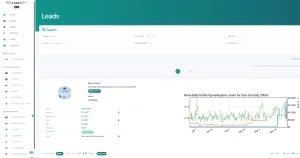
FBAleadsUK.com is a platform specializes in providing online arbitrage leads specifically for Amazon sellers. Users pay a monthly subscription fee, but be ready to sign up fast as FBAleadsUK only allows a maximum of 25 sellers on their leads platform. This exclusivity can ensure that the leads you receive are not oversaturated, giving you a better chance at securing profitable products. The leads are often verified, meaning they have been checked for profitability and availability, which can save you time and effort in your sourcing process.
Advantages of Individual Leads
Buying individual leads offers several advantages over purchasing bulk lists.
- Targeted Selection: You get to choose exactly which products you want to pursue, aligning with your specific interests or expertise.
- Reduced Risk: Instead of investing in a large list with potentially dud deals, you can start small and test the waters with a few carefully selected leads.
- Better Quality: Individual leads are often more thoroughly vetted than those in bulk lists, increasing the likelihood of finding profitable opportunities.
It’s important to remember that even with verified leads, you should always do your own due diligence. Market conditions can change quickly, and what was a good deal yesterday might not be today.
Verified Deal Sources
When buying leads, it’s crucial to choose verified deal sources. These sources typically employ product researchers who manually analyze potential arbitrage opportunities, ensuring they meet specific criteria for profitability and viability. A good source will provide detailed information about each lead, including:
- Product name and ASIN
- Purchase price and selling price
- Estimated profit margin
- Relevant sales data (BSR, sales rank history)
By using verified sources, you can minimize the risk of buying bad leads and maximize your chances of success with online arbitrage leads.
Conducting Thorough Market Analysis
Alright, so you’ve found a product that looks promising. Awesome! But before you jump in headfirst, you really need to do some digging. It’s like checking the foundation of a house before you buy it. You want to make sure it’s solid, right? Same goes for online arbitrage. Let’s break down how to make sure you’re not walking into a money pit.
Competitor Analysis
Okay, so who else is selling this thing? And how are they doing it? This is where you become a detective. Look at how many sellers are on the listing, especially those using FBA (Fulfilled by Amazon). If there are a ton, it might be a red flag. Also, check their prices. Are they all undercutting each other? That could mean a race to the bottom, and nobody wants that. I usually look for listings with a manageable number of sellers – say, between 2 and 10 – and relatively stable pricing.
Demand Assessment
Is anyone actually buying this stuff? You can’t just assume because it’s cheap, it’ll fly off the shelves. Look at the Best Seller Rank (BSR). Generally, a lower BSR is better. I try to aim for products with a BSR under 30,000, but it really depends on the category. Also, keep an eye on how the BSR changes over time. If it’s all over the place, that could mean demand is unpredictable. You can use tools to track this stuff, or just check it manually every few days.
Profit Margin Calculation
Alright, let’s get down to brass tacks: are you actually going to make any money? This is where you need to crunch the numbers. Don’t just look at the difference between your purchase price and the selling price on Amazon. You need to factor in everything: shipping costs (both to you and to the customer, if you’re not using FBA), Amazon fees, sales tax, and any other expenses. I usually aim for a return on investment (ROI) of at least 10%, but higher is always better. Here’s a quick rundown:
- Start with the Amazon sale price.
- Subtract your purchase cost.
- Subtract all other expenses (shipping, fees, taxes).
- Calculate your ROI: (Profit / Purchase Cost) x 100.
Doing this market analysis might seem like a pain, but trust me, it’s worth it. A little bit of research upfront can save you a whole lot of headaches (and money) down the road. It’s all about making informed decisions and not just guessing.
Wrapping It Up
So, there you have it. Finding online arbitrage deals can be a bit of a journey, but it’s totally doable. Keep an eye on those websites we talked about, like Brickseek and SlickDeals, and don’t forget to check out other platforms like Walmart and Etsy. They often have hidden gems just waiting to be discovered. Using tools like SmartScout can really help you make sense of the data and find the best products to sell. Just remember, it’s all about being patient and doing your homework. With some practice, you’ll get the hang of it and start seeing some nice profits. Happy hunting!
Frequently Asked Questions
What is online arbitrage?
Online arbitrage is when you buy products at a lower price from one website and sell them at a higher price on another, like Amazon.
How do I find good products for online arbitrage?
You can find good products by checking popular categories like Home & Kitchen or Toys & Games, and using tools that help you see price changes.
What tools can help me with product research?
There are tools like Tactical Arbitrage and SmartScout that help you find profitable products and track their prices.
Where can I look for discounts and deals?
Websites like SlickDeals and Brickseek are great for finding discounts on products that you can resell.
What should I consider when choosing a product to sell?
Look for products with a good Best Seller Rank, high ratings, and a price range that allows for a profit after fees.
How can I connect with others who do online arbitrage?
You can join online forums, social media groups, or websites where people share deals to learn from others and find new opportunities.


