

If you’re on the hunt for a way to make extra cash without diving into a complicated business model, online arbitrage (OA) on Amazon might just be your best bet. This approach lets you buy products at lower prices from various online platforms and then sell them on Amazon for a profit. It’s a straightforward method that can be done from the comfort of your home, and with the right strategies, it can turn into a lucrative venture. In this article, we’ll explore what OA Amazon is, how it works, and the best practices to succeed in this business.
Key Takeaways
- Online Arbitrage involves buying low-priced products online and reselling them on Amazon for a profit.
- It’s legal and a popular business model among Amazon sellers, provided they follow Amazon’s guidelines.
- Sourcing products can be done through various online retailers and wholesale marketplaces.
- Success in OA requires careful research, inventory management, and monitoring market trends.
- Understanding the risks, like price fluctuations and competition, is crucial for long-term profitability.
Understanding OA Amazon Business Model
What Is Online Arbitrage for Amazon Sellers?
Online Arbitrage (OA) on Amazon is basically finding a product being sold for cheap somewhere online and then reselling it on Amazon for a higher price. Think of it like this: you spot a discounted toy on a retailer’s website and then list it on Amazon, hoping to make a profit from the price difference. It’s all about finding those sweet deals.
Benefits of Online Arbitrage for Amazon Sellers
There are some pretty cool perks to doing online arbitrage. Here are a few:
- Low Startup Costs: You don’t need a ton of money to get started. A laptop, internet, and a bit of cash for inventory are often enough.
- Flexibility: You can work from pretty much anywhere, setting your own hours.
- Wide Product Variety: You aren’t stuck with one type of product. You can sell all sorts of things.
The best part? You can test the waters without sinking a ton of money into inventory upfront. It’s a great way to learn the ropes of selling on Amazon.
Is Online Arbitrage Illegal for Amazon Sellers?
Nope, it’s not illegal! Amazon does allow online arbitrage. However, you have to play by their rules. This means making sure the products you’re selling are legit, following Amazon’s policies, and keeping your customers happy. If you don’t, you could get your account suspended. So, while it’s allowed, it’s important to do it the right way.
Key Strategies for Successful Online Arbitrage

Best Online Arbitrage Strategies for Amazon Sellers
To really kill it with online arbitrage, you need a solid plan. It’s not just about finding cheap stuff and hoping for the best. It’s about smart sourcing and strategic selling. You need to research which products are in demand and where you can get them for less. Think of it as being a detective, always on the hunt for the best deals. Don’t rush into buying anything; take your time to compare prices and check the sales history. This way, you’re more likely to find items that will actually sell and make you a profit. Remember, patience is key.
How To Execute Online Arbitrage Effectively
So, you’ve got your product ideas, now what? Well, it’s time to put those ideas into action. First, make sure you’re using reliable tools to track prices and inventory. This will help you stay on top of market changes and avoid overspending. Next, focus on providing excellent customer service. Happy customers are more likely to leave positive reviews, which can boost your sales. And finally, don’t be afraid to experiment with different strategies. What works for one product might not work for another, so be flexible and willing to adapt. Remember to research the online arbitrage process first.
Generating Product Ideas for Online Arbitrage
Coming up with product ideas can feel like a total shot in the dark, but it doesn’t have to be. Start by looking at trending products on Amazon. What’s selling like crazy right now? What are people searching for? You can also use tools to analyze sales data and identify potential opportunities. Another great strategy is to check out clearance sections at online retailers. You might be surprised at the hidden gems you can find there. Just make sure to validate your products before you invest in them. You don’t want to end up with a bunch of stuff that no one wants to buy. Consider using software for price tracking.
Online arbitrage can be a great way to make money, but it’s not a get-rich-quick scheme. It takes time, effort, and a willingness to learn. But if you’re willing to put in the work, you can definitely find success.
Sourcing Products for OA Amazon

Where to Source the Best Online Arbitrage Products
Finding the right places to get your products is super important for OA Amazon. It can really make or break your business. You need to be smart about where you look. Here are some ideas:
- Online Retailers: Places like Walmart, Target, and Best Buy often have sales and clearance items. Keep an eye out for those deals!
- Wholesale Marketplaces: Sites like Alibaba or DHgate let you buy in bulk. This can get you better prices, but you need to buy a lot of stuff.
- Local Retail Stores: Don’t forget to check out stores near you. Sometimes they have hidden gems that you can resell online.
Sourcing products for OA Amazon requires a keen eye for deals and a solid understanding of market trends. It’s not just about finding cheap stuff; it’s about finding stuff that will sell for more on Amazon.
Using Online Retailers for Arbitrage
Online retailers are a great starting point. They’re easy to access, and you can often find good deals without leaving your house. But, everyone else is looking there too, so you need to be quick and smart. Look for:
- Clearance sections
- Special promotions
- Discount codes
Exploring Wholesale Marketplaces for Sourcing
Wholesale marketplaces can give you access to a wider range of products and better prices. The downside is that you usually have to buy in bulk. This means you need to have enough money to invest and enough space to store everything. Some popular wholesale marketplaces include:
- Alibaba
- DHgate
- Wholesale Central
Risks and Challenges of Online Arbitrage

Online arbitrage, while offering flexibility and low startup costs, isn’t without its hurdles. It’s easy to get started, but staying profitable requires constant vigilance and adaptation. You’re essentially trying to find deals and flip them for a profit, but several factors can throw a wrench in your plans.
Understanding Market Fluctuations
The market can change quickly, and what’s a hot product today might be old news tomorrow.Market fluctuations are a constant threat. Trends come and go, and consumer demand shifts. This means you need to be on your toes, constantly monitoring what’s selling and what’s not. If you’re stuck with a bunch of inventory that nobody wants, you’re going to take a loss. It’s not enough to just find a good deal; you need to predict whether that deal will still be good when you’re ready to sell.
Managing Inventory Effectively
Keeping track of your inventory is super important. If you don’t know what you have, where it is, and how much it cost you, you’re flying blind.
- Accurate tracking prevents overselling.
- Proper storage avoids damage.
- Timely restocking ensures you don’t miss sales.
Good inventory management is more than just counting boxes. It’s about understanding your sales velocity, predicting future demand, and optimizing your storage space. It’s a skill that takes time to develop, but it’s essential for long-term success.
Navigating Price Wars in Online Arbitrage
One of the biggest challenges is dealing with price wars. Because the barrier to entry is low, lots of people are doing online arbitrage. This means competition can be fierce, and everyone is trying to undercut each other to win the sale. This can quickly erode your profit margins, making it hard to make any money. You need to be prepared to adjust your prices quickly and find ways to differentiate yourself from the competition. Maybe you can increase profits by offering better customer service or bundling products together. It’s a constant battle to stay ahead of the curve.
Comparing OA Amazon with Other Business Models
Amazon Wholesale vs. Online Arbitrage: Key Differences
When you’re trying to figure out how to sell on Amazon, it’s easy to get mixed up between different business models. Two popular options are Amazon wholesale and online arbitrage (OA), but they work in very different ways. Wholesale involves buying products in bulk directly from manufacturers or distributors, often requiring a significant upfront investment. With OA, you’re sourcing products from various retailers, taking advantage of price differences. Think of it like this: wholesale is building a relationship with a supplier, while OA is more like treasure hunting for deals.
Here’s a quick comparison:
| Feature | Amazon Wholesale | Online Arbitrage (OA) |
| Sourcing | Manufacturers/Distributors | Retailers (online and sometimes brick-and-mortar) |
| Investment | Higher upfront costs | Lower initial investment |
| Risk | Potentially lower, if you have established brands | Higher, due to market fluctuations and competition |
| Relationships | Requires building supplier relationships | Less emphasis on long-term supplier relationships |
| Scalability | High, once relationships are established | Can be challenging to scale consistently |
Retail Arbitrage vs. Online Arbitrage
Retail arbitrage (RA) and OA are closely related, but the key difference lies in where you find your products. With RA, you physically go to brick-and-mortar stores like Walmart or Target, searching for clearance items or discounted goods. Then, you resell them on Amazon. OA, on the other hand, involves finding those deals online. Both rely on the same principle – buying low and selling high – but the sourcing method is what sets them apart.
Here’s a breakdown:
- Sourcing: RA involves physical store visits, while OA is done entirely online.
- Time: RA can be more time-consuming due to travel and in-store searching.
- Scalability: OA can be easier to scale since you can automate much of the sourcing process.
- Convenience: OA offers more flexibility as you can source products from anywhere with an internet connection.
Both retail and online arbitrage are viable ways to start selling on Amazon, but it’s important to consider your resources and preferences. If you enjoy the thrill of the hunt and don’t mind spending time in stores, RA might be a good fit. If you prefer to work from home and automate your sourcing, OA could be a better option.
Choosing the Right Amazon Business Model
Deciding which Amazon business model is right for you depends on several factors. Consider your budget, risk tolerance, and the amount of time you’re willing to invest. Six profitable business models exist, each with its own pros and cons. If you’re on a tight budget, OA might be a good starting point because it requires less upfront capital than wholesale or private label. However, be prepared for intense competition and the need for constant product research. If you prefer a more stable and predictable business, wholesale or private label might be better options, but they require more investment and effort upfront. Ultimately, the best model is the one that aligns with your goals and resources. Here are some things to consider:
- Budget: How much money are you willing to invest initially?
- Time Commitment: How much time can you dedicate to the business each week?
- Risk Tolerance: Are you comfortable with the potential for losses?
- Long-Term Goals: What are your long-term goals for the business? Do you want to build a brand, or are you just looking for a side hustle?
Tools and Resources for Online Arbitrage
Essential Tools for OA Amazon Sellers
To really make online arbitrage work, you need the right tools. It’s not just about finding a cheap product and listing it; it’s about analyzing data, tracking prices, and staying ahead of the competition. Having the right software can save you hours of work and potentially prevent costly mistakes.
Here are some tools that can help:
- Product Research Tools: These help you find products with high-profit potential. Check out FBAmultitool
- Price Trackers: These monitor price changes so you can buy low and sell high.
- Inventory Management Software: This helps you keep track of your stock and avoid running out of popular items.
Using the right tools is like having a secret weapon. They give you an edge and help you make smarter decisions.
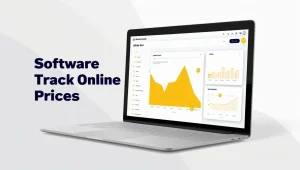
Using Software for Price Tracking
Price tracking software is super important. The market changes fast, and what’s a good deal today might not be tomorrow. These tools let you set alerts for when prices drop, so you can swoop in and buy at the perfect time. Some software even integrates with Amazon, so you can see historical price data and predict future trends. It’s all about making informed decisions, and price trackers are key to that.
Leveraging Market Research Tools
Market research tools are your best friend when it comes to understanding what’s selling and what’s not. They can show you:
- Which products are trending.
- What keywords people are searching for.
- Who your competitors are and what they’re doing.
With this information, you can make smart choices about what to sell and how to price it. It’s like having a crystal ball that shows you the future of the market. Don’t skip this step!
Legal Considerations for OA Amazon

Compliance with Amazon Policies
Adhering to Amazon’s policies is non-negotiable for any OA seller. Amazon has a detailed set of rules that cover everything from product listings to customer service. Ignoring these can lead to account suspension, which is a major setback. Make sure you’re always up-to-date with the latest guidelines. It’s also a good idea to regularly check your account health dashboard to identify and address any potential issues before they escalate. Understanding Amazon policies is key to long-term success.
Understanding Seller Regulations
Beyond Amazon’s rules, you also need to be aware of broader seller regulations. This includes things like sales tax, product safety standards, and intellectual property laws. Sales tax can be tricky because it varies by state, so you’ll need to figure out where you have nexus and collect/remit taxes accordingly. Product safety is also important, especially if you’re selling items for children or electronics. And of course, you can’t sell counterfeit goods or infringe on someone else’s copyright or trademark.
Avoiding Account Suspension Risks
Account suspension is a real threat for OA sellers, but it’s often avoidable. Here are some common reasons for suspension and how to prevent them:
- Product Authenticity: Only sell genuine products sourced from reputable suppliers. Always keep records of your purchases.
- Listing Accuracy: Make sure your product listings are accurate and don’t mislead customers. Use clear descriptions and high-quality images.
- Customer Service: Respond to customer inquiries promptly and professionally. Resolve issues quickly and fairly.
- Policy Violations: Stay informed about Amazon’s policies and avoid any actions that could be seen as violations.
It’s better to be safe than sorry. If you’re unsure about something, it’s always best to err on the side of caution and seek clarification from Amazon or a legal professional.
Wrapping It Up
So, there you have it. Online arbitrage can be a solid way to make some extra cash or even build a full-time gig. It’s all about spotting those price differences and jumping on them before someone else does. Sure, it takes some work to find the right products and keep track of everything, but if you play your cards right, you could see some nice profits. Just remember to stay within Amazon’s rules and keep an eye on the market trends. If you’re ready to put in the effort, online arbitrage might just be the side hustle you’ve been looking for.
Frequently Asked Questions
What is online arbitrage for Amazon sellers?
Online arbitrage is when sellers buy products from different websites at lower prices and then sell them on Amazon at a higher price. This way, they can make a profit.
Is online arbitrage legal?
Yes, online arbitrage is legal as long as sellers follow Amazon’s rules and guidelines when buying and selling products.
What are the benefits of online arbitrage?
Some benefits include the ability to work from home, lower fees compared to traditional retail, and more control over pricing.
How do I find products for online arbitrage?
You can find products by checking online retailers for sales, using wholesale marketplaces, or looking for clearance items.
What risks are involved with online arbitrage?
Risks include price changes that can affect your profits, managing your inventory properly, and dealing with competition.
What tools can help with online arbitrage?
There are various tools for price tracking, market research, and inventory management that can help you succeed in online arbitrage.


