

Getting your products ready for Amazon’s FBA can seem like a big task. But once you understand the basics, it gets easier. Whether you’re selling in the US or the UK, knowing how to package your items right is key. This guide will walk you through what you need to know about Amazon FBA packaging requirements, so your products reach customers in perfect shape.
Key Takeaways
- Amazon FBA packaging rules differ slightly between the US and UK, especially regarding box sizes and weight limits.
- Using approved packaging materials like bubble wrap and kraft paper is crucial to avoid shipment issues.
- Every package needs a scannable barcode; make sure old barcodes are removed or covered.
- Proper labeling, including FNSKU labels, is essential to avoid shipment problems and ensure smooth processing.
- Adhering to packaging guidelines helps prevent product damage and reduces the risk of added fees or rejections.
Understanding Amazon FBA Packaging Requirements
Importance of Compliance
Navigating the world of Amazon FBA can be tricky, especially when it comes to packaging. It’s not just about getting your product from point A to point B. Proper packaging is crucial to avoid fees, prevent damage, and maintain a good reputation. Non-compliance might even lead to account suspension. So, it’s vital to follow Amazon’s guidelines to ensure that your products reach customers safely and on time.
Common Mistakes to Avoid
Many sellers run into issues with packaging requirements simply because they overlook the details. Here are some common pitfalls:
- Ignoring Size and Weight Limits: Amazon has strict rules about the size and weight of packages. Exceeding these can result in additional fees or even rejection of the shipment.
- Improper Labeling: Every package needs a scannable barcode. Missing or incorrect labels can cause delays or misdelivery.
- Using Non-Compliant Materials: Avoid using materials like packing peanuts or shredded paper, as these can cause issues in Amazon’s processing centers.
Benefits of Proper Packaging
Following Amazon’s packaging requirements isn’t just about avoiding penalties. There are some real benefits:
- Reduced Damages: Proper packaging helps protect your products during transit, reducing the risk of damage.
- Faster Processing: When your packages meet Amazon’s standards, they move through the fulfillment centers more quickly.
- Customer Satisfaction: Well-packaged products arrive in good condition, leading to happier customers and better reviews.
Understanding and adhering to Amazon’s packaging requirements is a key step towards success in the FBA program. It may seem daunting at first, but with attention to the details, it becomes a seamless part of your selling process.
Approved Packaging Materials for Amazon FBA
Permitted Materials
When it comes to Amazon FBA, choosing the right packaging materials is key to ensuring your products arrive safely at Amazon’s fulfillment centers. Amazon permits several types of cushioning materials to protect your items during transit. These include:
- Bubble Wrap: Ideal for fragile items, providing a layer of air-filled cushioning.
- Kraft Paper: Must be at least 60 lb density, offering a sturdy wrap for various goods.
- Inflatable Air Pillows: These are lightweight and provide excellent protection without adding much to the shipping weight.
- Foam Sheets: Useful for items that need a bit more padding.
For boxes, Amazon allows:
- Corrugated Cardboard: Must have a 200 lb rating to ensure durability.
- Regular Slotted Containers: A common choice for many sellers.
- Boxes with B flute or ECT-32: These provide additional strength and protection.
Prohibited Materials
Certain materials are off-limits for Amazon packaging because they can cause issues in the fulfillment process. Avoid using:
- Packing Peanuts: Even biodegradable ones can be problematic.
- Styrofoam: This is not environmentally friendly and often breaks apart during shipping.
- Crinkle Wrap and Shredded Paper: These can make a mess and don’t offer consistent protection.
- Foam Strips or Pieces: Similar issues as Styrofoam, with the potential to create debris.
Why Material Choice Matters
Choosing the right materials isn’t just about meeting Amazon’s regulations—it’s about protecting your bottom line. Proper packaging reduces the risk of damage during shipping, which means fewer returns and happier customers. Additionally, using the right materials helps your products pass Amazon’s stringent shipping tests, like the FNSKU label visibility requirement. This ensures that your products are efficiently processed and tracked, minimizing delays and potential rejections.
Picking the right packaging materials is like setting the stage for a successful show. Your products need to arrive in perfect condition to wow your customers, and the right materials make all the difference.
Amazon FBA Packaging Guidelines for US Sellers
Box Requirements and Restrictions
When it comes to shipping products through Amazon FBA in the US, boxes are one of the most common packaging options. But, there are specific guidelines you need to follow to ensure your products are accepted at Amazon fulfillment centers. All boxes must be sturdy, six-sided, and have intact flaps. They should not collapse under medium pressure and must have openings or lids that won’t easily open on their own. If your box has perforated sides or openings, it needs to pass the 3-foot drop test.
Amazon has set size and weight limits for boxes. Each box should not exceed 25 inches on any side and should weigh no more than 50 lbs, unless it’s an oversized item. If your box exceeds these dimensions, make sure to label it appropriately. Consider using double-walled corrugated boxes for added strength.
Here’s a quick list of acceptable box types:
- Regular Slotted Carton (RSC)
- 200BH (burst strength box)
- B-flute
- ECT-32 Box
Polybag Specifications
Polybagging is another popular option for packaging products. However, Amazon has strict guidelines to ensure compliance. Polybags should not exceed the product dimensions by more than 3 inches. The barcode must be scannable through the polybag or affixed to the outside.
For adult products, use black, opaque polybags or shrink wrap. Failure to meet these requirements may result in Amazon re-bagging your products, which could incur additional fees.
Labeling and Barcode Essentials
Proper labeling is crucial for Amazon FBA shipments. Each box must have a unique Amazon FBA Box ID label, which includes a barcode and corresponding numbers that identify the box contents. Additionally, a carrier label (e.g., UPS, FedEx) must be attached.
Labels should be placed on a flat surface of the box, avoiding seams or edges to prevent damage. Amazon recommends using labels that measure 3 1/3 x 4 inches or 4 x 6 inches if using thermal printing paper. For pallet shipments, place four labels on each pallet—one on the top center of each side.
Ensuring each box sent to Amazon FBA has a clear and accurate shipping label, including complete delivery and return information, positioned at the top center, is vital for smooth processing and avoiding shipment delays.
By adhering to these guidelines, you can help ensure that your products are processed quickly and efficiently at Amazon’s fulfillment centers, minimizing the risk of shipment rejections and additional fees.
Amazon FBA Packaging Guidelines for UK Sellers
Box Size and Weight Limits
In the UK, Amazon FBA has specific guidelines for box dimensions and weight. Boxes should not exceed 63.5 cm on any side. Furthermore, the weight of the box should not surpass 23 kg. If your package weighs between 15 kg and 23 kg, it’s mandatory to label it as “heavy” to alert handlers. These restrictions are crucial to ensure safety and efficiency during transit and handling.
Material and Labeling Standards
When it comes to packaging materials, Amazon UK has clear rules. Approved materials include air-filled pillows, paper, thick craft paper, bubble wrap, and foam sheeting. However, avoid using packing peanuts, Styrofoam, thermocol chips, crinkle wrap, and foam strips as these are not accepted. Proper labeling is also vital. Ensure that labels are visible and not obscured by any packaging materials like tape. This ensures smooth processing at fulfillment centers.
Differences from US Requirements
While many of the FBA packaging guidelines are similar between the US and UK, there are notable differences. For instance, the maximum box weight in the UK is lower than in the US, where boxes can weigh up to 50 lbs (approximately 22.7 kg). Additionally, the labeling standards and approved materials might have slight variations based on regional compliance needs. Understanding these differences can prevent shipment delays and ensure compliance with Amazon’s standards.
Packaging for Amazon FBA in the UK demands attention to detail, especially if you’re used to US standards. Adhering to these guidelines not only ensures compliance but also enhances the safety and integrity of your products during shipping.
Ensuring Product Safety with Amazon FBA Packaging
The 3-Foot Drop Test
One of the most crucial tests for Amazon FBA packaging is the 3-foot drop test. This test ensures that your product can withstand the rigors of shipping. To perform this test, drop your packaged product from a height of three feet onto a hard surface. Repeat this process on each side of the package. If your product remains undamaged, your packaging is likely up to Amazon’s standards. Failing this test could mean your products are at risk of damage during transit.
Fragile and Heavy Item Guidelines
Handling fragile and heavy items requires extra care. For fragile products, use bubble wrap or foam inserts to cushion the items. Ensure there’s no movement inside the package by filling any empty spaces with packing peanuts or air pillows. For heavy items, double-boxing is often recommended. This involves placing the item in one box, then placing that box inside a larger box with cushioning in between. This method provides an additional layer of protection.
Avoiding Shipment Rejections
Rejection of shipments can be a costly mistake. Here are some tips to avoid this:
- Check Packaging Materials: Ensure you use Amazon-approved materials like polybags or boxes. Key requirements for Fulfillment by Amazon (FBA) stress the importance of using the correct materials.
- Label Correctly: Make sure your barcodes are scannable and placed on a flat surface. Avoid placing labels over box seams or edges.
- Follow Size and Weight Limits: Overweight or oversized packages can be rejected. Stick to Amazon’s guidelines regarding dimensions and weight limits.
Proper packaging not only protects your products but also keeps your business running smoothly by avoiding unnecessary delays and costs.
Optimizing Packaging for Amazon FBA Success
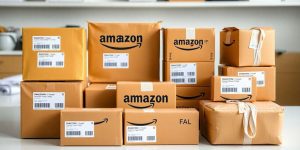
Cost-Effective Packaging Solutions
When you’re dealing with Amazon FBA, keeping costs low is a big deal. Finding affordable packaging solutions can make a difference in your bottom line. Here are a few tips to keep packaging costs in check:
- Bulk Purchase: Buy packaging materials in bulk to get discounts. This might mean a higher initial cost, but you’ll save money over time.
- Right-Sizing: Use boxes that fit your products snugly. Too much empty space means extra costs and potential damage.
- Reusable Materials: Consider materials that can be reused or recycled, reducing waste and costs.
Leveraging Amazon’s Prep Services
Amazon offers prep services that can save you time and hassle. Whether you’re new to FBA or just looking to streamline your operations, these services can help:
- Labeling: Amazon can handle all your product labeling needs, ensuring compliance with their strict requirements.
- Packaging: If you’re overwhelmed, Amazon’s team can package your products according to their standards.
- Quality Checks: They perform checks to ensure your items meet Amazon’s guidelines, reducing the risk of rejections.
Using Amazon’s prep services can free up your time to focus on other important aspects of your business, like marketing and sales.
Tips for Reducing Packaging Waste
Reducing waste not only helps the environment but can also cut costs. Here are some strategies to minimize waste:
- Minimalist Design: Keep packaging simple. Less is more when it comes to reducing waste.
- Biodegradable Options: Use biodegradable packing peanuts or similar materials that break down naturally.
- Educate Your Team: Make sure everyone involved in packaging understands the importance of waste reduction.
Optimizing your packaging strategy is a crucial step towards designing Amazon product packaging that not only meets Amazon’s requirements but also enhances your brand’s reputation. By focusing on cost-effectiveness, utilizing Amazon’s services, and minimizing waste, you set your business up for success in the competitive Amazon marketplace.
Navigating Amazon’s Labeling and Shipping Procedures
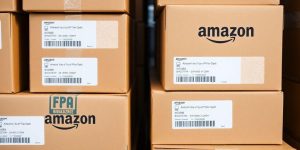
Understanding FBA Box ID Labels
When it comes to shipping with Amazon FBA, the right labeling is everything. Each box must have a unique Amazon FBA Box ID label, which includes a barcode and numbers that link the box to your seller account. Never photocopy or reuse these labels—each one needs to be freshly printed from your shipping queue. This ensures that your items are correctly identified and processed at Amazon’s fulfillment centers.
Shipping Methods and Pallet Requirements
Amazon provides several shipping methods, and the choice affects how you pack your shipments. Here’s a quick rundown:
- Small Parcel Deliveries (SPDs): These are individual boxes sent directly to Amazon.
- Less than Truckload (LTL): Boxes are combined on pallets for shipping.
- Full Truckload (FTL): Similar to LTL but involves full truckloads.
For pallet shipments, Amazon requires four labels per pallet, placed on the top center of each side. This makes sure everything is scannable and ready for processing.
Avoiding Common Labeling Errors
Labeling errors can lead to delays and additional fees. Here are some tips to avoid them:
- Use the right label: Ensure it matches the contents of the box.
- Placement matters: Stick labels on flat surfaces, away from seams and edges to prevent damage.
- High-quality printing: Use a laser printer for clear, durable labels.
Proper labeling and shipping practices not only streamline your logistics but also enhance your reputation as a reliable seller on Amazon. By sticking to these guidelines, you minimize the risk of errors and ensure a smooth process from warehouse to customer.
Conclusion
Wrapping up, getting your Amazon FBA packaging right is like setting the foundation for a smooth selling experience. It might seem like a lot to take in at first, but once you get the hang of it, it becomes second nature. Just remember, the key is to stick to the guidelines, use the right materials, and label everything properly. This way, your products will reach customers in great shape, and you’ll avoid any unnecessary hiccups. So, take a deep breath, follow the steps, and you’ll be on your way to FBA success in no time.
Frequently Asked Questions
What is Amazon FBA packaging?
Amazon FBA packaging refers to the specific rules and materials sellers must use when sending products to Amazon fulfillment centers. This ensures items are stored safely and efficiently.
Why are there packaging rules for Amazon FBA?
The rules help make sure products arrive safely at Amazon’s warehouses and to customers. It also helps avoid damages and shipping problems.
What materials can I use for packaging?
You can use materials like bubble wrap, air pillows, and sturdy paper. Some materials like packing peanuts and foam strips are not allowed.
Are there size limits for boxes?
Yes, boxes should not be longer than 25 inches on any side and shouldn’t weigh more than 50 pounds unless it’s a special item.
How should I label my packages?
Each package must have a scannable barcode and the right labels to show what’s inside and where it’s going.
What happens if I don’t follow Amazon’s packaging rules?
If you don’t follow the rules, your shipments might be delayed, returned, or even rejected. This can lead to extra costs and unhappy customers.


