

-
What Amazon brand gating is and why it exists
-
Complete list of major gated brands to avoid when starting on Amazon
-
Categories with the most restricted brands
-
How to get approval to sell gated brands (if desired)
-
Alternatives to selling restricted brands
-
Common mistakes to avoid with gated brands
-
Legal compliance requirements
-
FAQ about Amazon brand restrictions
Understanding Amazon Brand Gating
Amazon brand gating is a protective measure that restricts who can sell specific brands or products on the platform. As a seller looking to build a successful Amazon business, understanding which brands to avoid on Amazon when selling is crucial to your success and account health.
Brand gating serves multiple purposes on Amazon:
- It protects brands from counterfeit products
- It maintains product quality and authenticity
- It preserves customer trust in the platform
- It reduces intellectual property violations
- It creates a more controlled marketplace environment
For sellers, this means you need to be aware of which brands require special approval before listing, or you risk account suspension and potential legal issues.
Top Brands to Avoid on Amazon When Selling

When starting your Amazon selling journey, it’s wise to avoid these heavily restricted brands unless you’re prepared to navigate the approval process. Here are the major brands to avoid on Amazon when selling without proper authorization:
Fashion and Apparel
- Nike
- Adidas
- Under Armour
- Louis Vuitton
- Tory Burch
- Victoria’s Secret
- The North Face
- Patagonia
Electronics
- Apple
- Samsung
- Microsoft (Xbox products)
- Sony
- GoPro
- Nikon
Beauty and Personal Care
- MAC Cosmetics
- Clinique
- Smashbox
- Too Faced
- Yves Saint Laurent
- Maybelline
- CeraVe
- L’Oréal
- Kérastase
Toys and Games
- LEGO
- Mattel
- Hasbro
- Funko
- Marvel (Avengers, Spider-Man)
- Disney (Frozen, Star Wars)
Household and Consumer Goods
- Arm & Hammer
- Duracell
- Purell
- Tide
Luxury Goods
- Versace
- Armani
- Salvatore Ferragamo
- Chanel
- Burberry
Baby Products
- Fisher-Price
- Graco
Categories With Most Gated Brands
When building your Amazon selling strategy, it’s important to understand which categories have the most brands to avoid on Amazon when selling. These categories typically have higher restrictions due to safety concerns, counterfeit issues, or brand protection measures:
- Health and Personal Care – High risk of counterfeit products and safety concerns
- Beauty Products – Premium brands commonly targeted by counterfeiters
- Electronics – High-value items with significant counterfeiting issues
- Luxury Fashion – Brand protection and authenticity concerns
- Baby Products – Safety regulations and brand protection
- Toys and Games – Licensing issues and safety concerns
These categories require extra caution when sourcing products, as many top brands within them are gated and require approval. For new sellers, focusing on less restricted categories might offer an easier entry point into Amazon selling.
How to Navigate Amazon’s Brand Restrictions
If you’re determined to sell brands that are typically on the “brands to avoid on Amazon when selling” list, you’ll need to follow a specific approval process:
How FBAmultitool Helps with Brand Restrictions
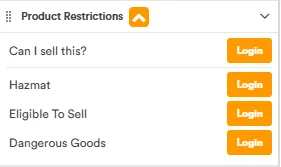
Before diving into the approval process, it’s worth noting how tools like FBAmultitool can simplify dealing with brand restrictions:
- Auto Detection Feature – FBAmultitool has a powerful auto detection feature that instantly tells you if a brand is restricted as soon as the product page loads. This saves you valuable time by immediately identifying brands to avoid on Amazon when selling before you invest in inventory.
- Auto Ungate Feature – FBAmultitool offers an innovative auto ungate feature that automatically fills in the ungating process forms, potentially helping you get approved without the need for invoices with 10+ items. While success rates vary in 2025’s more stringent environment, this feature can occasionally help bypass the review process, saving you time and effort.
Getting Approved to Sell Gated Brands
- Provide Valid Documentation
- Recent invoices (within 90 days) from authorized distributors
- Letter of authorization from the brand owner on company letterhead
- Proof of purchase meeting minimum quantity requirements
- Use Seller Central for Approval
- Log into your Seller Central account
- Search for the product you want to sell
- Click “Apply to Sell” when prompted
- Submit required documentation
- Pay any applicable non-refundable application fees
- Wait for Review
- The review process typically takes 3-5 weeks
- Amazon will verify your documentation and eligibility
- You’ll receive notification when approved or denied
Common Mistakes to Avoid
When dealing with brands to avoid on Amazon when selling, these mistakes can lead to denied applications or account issues:
- Submitting fake or altered invoices
- Purchasing from unauthorized suppliers
- Not meeting minimum quantity requirements
- Missing information on authorization letters
- Ignoring intellectual property guidelines
- Selling counterfeit or unauthorized versions of products
Alternatives to Selling Gated Brands
Rather than focusing on brands to avoid on Amazon when selling, consider these alternatives:
- Focus on Ungated Categories
- Sell in categories with fewer restrictions
- Build your seller reputation and metrics first
- Create Private Label Products
- Develop your own brand and products
- Avoid competition with restricted brands
- Look for Lesser-Known Brands
- Find brands with less competition but good demand
- Partner with emerging brands seeking Amazon distribution
- Wholesale Ungated Products
- Work with suppliers of non-restricted brands
- Build relationships with brands open to new sellers
As discussed in our guide to Amazon arbitrage, finding profitable products to sell doesn’t always require going after the biggest brands.
Legal and Compliance Considerations
When considering which brands to avoid on Amazon when selling, understanding the legal implications is crucial:
Consequences of Violating Amazon’s Policies
- Account suspension or termination
- Loss of selling privileges
- Removal of listings
- Legal action from brand owners
- Financial penalties
- Damage to seller reputation
Staying Compliant
To maintain a healthy Amazon seller account:
- Only sell authorized products from verified suppliers
- Keep detailed records of all purchases and authorizations
- Stay updated on Amazon’s policy changes
- Monitor your listings for compliance issues
- Use tools to check product restrictions before purchasing inventory
Working with Amazon research tools can help you identify which products are safe to sell and which brands to avoid on Amazon when selling.
Q&A: Common Questions About Gated Brands
What is a gated brand on Amazon? A gated brand on Amazon is a brand that requires special approval before sellers can list their products. These restrictions are put in place to protect the brand’s reputation and prevent counterfeit products.
Why does Amazon restrict certain brands? Amazon restricts certain brands to protect intellectual property, ensure product authenticity, maintain customer trust, and comply with brand agreements. This helps create a more controlled selling environment.
How can I check if a brand is gated before purchasing inventory? You can check a brand’s status by attempting to create a listing in Seller Central. If the brand is restricted, you’ll be prompted to apply for approval before listing.
What happens if I try to sell a gated brand without approval? Attempting to sell restricted brands without approval can result in listing removal, account suspension, and potential legal action from the brand owner.
Are there any benefits to selling gated brands? Once approved, selling gated brands often means less competition, higher profit margins, and access to premium products with strong customer demand.
Conclusion
Understanding which brands to avoid on Amazon when selling is essential knowledge for any Amazon seller. While the approval process to sell gated brands can be challenging, it exists to protect brands, customers, and legitimate sellers alike.
As you build your Amazon business, focus first on establishing yourself with ungated products and categories. As your business grows and you establish a solid seller history, you can then begin the process of applying for approval to sell more restricted brands.
By following Amazon’s guidelines and properly sourcing products, you can build a successful selling business while avoiding the pitfalls associated with restricted brands.
Remember that Amazon’s brand gating policies change regularly, so staying informed about the latest updates is crucial for long-term success on the platform.


