

If you’re asking yourself, “how can I make 1000 a week?” you’re not alone. Many people are turning to Amazon FBA as a way to earn a decent income from home. This guide will break down the key steps you need to take to get started and succeed in the Amazon FBA business. From understanding the basics to marketing your products effectively, we’ve got you covered.
Key Takeaways
- Understand the fundamentals of Amazon FBA to get started.
- Research products that are in demand to maximize profits.
- Set up your seller account correctly to avoid unnecessary fees.
- Create listings that attract buyers with great descriptions and images.
- Use marketing strategies to boost your product visibility.
Understanding Amazon FBA Basics
What Is Amazon FBA?
Amazon FBA stands for Fulfillment by Amazon, a service that lets you focus on buying and pricing your products, while Amazon handles the rest. It takes a lot of the hassle out of shipping and customer service. When you use FBA services, you send your items in bulk to Amazon’s warehouse and let them do the heavy lifting. Think of it as sending your inventory to a trusted partner who manages storage, packaging, and delivery.
How Does Amazon FBA Work?
The process isn’t magic, but it sure makes life easier. Here’s a simple breakdown:
- Ship your products to an Amazon warehouse.
- Amazon stores and manages your stock.
- When an order comes in, Amazon picks, packs, and ships the product directly to the customer.
Below is a quick table summarizing the typical timeline:
| Step | Duration |
| Shipping to Warehouse | 1-2 days |
| Order Processing | Immediate |
| Customer Delivery | 1-5 days |
Once your products are in Amazon’s system, you can relax, knowing that order fulfillment is handled round the clock.
Benefits Of Using Amazon FBA
There are several upsides to using FBA, which often make it a no-brainer choice for sellers:
- Reduces the workload on packing and shipping orders.
- Provides support with customer service and product returns.
- Speeds up delivery times, which keeps customers happy.
- Helps free up time so you can focus on growing your business.
Finding Profitable Products
Researching Market Trends
Before jumping into product selection, you need to keep an eye on what’s trending. Start by checking online data from various sources and forums. Look at seasonal upticks and social media buzz to get a sense of what’s flying off the shelves. It’s good practice to ask yourself, how can i make 1000 a week by spotting early signals in the market. Keeping abreast of these trends often provides that extra edge over competitors.
Using Product Sourcing Tools Like FBAmultitool
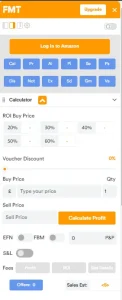
Utilizing tools can make your research easier and more effective. There are software solutions that help you filter through thousands of listings in seconds. For example, consider using ideal product filters to sift through data efficiently. Here are a few steps to get the most out of these tools:
- Set clear parameters like price range and expected profit margins.
- Use historical data to predict future demand.
- Compare multiple tools for consistent patterns.
A quick overview in the table below can help highlight what to look for when choosing a sourcing tool:
| Feature | What to Check | Benefit |
| Data Accuracy | Up-to-date statistics | Reliable decisions |
| User Interface | Easy navigation | Faster research time |
| Customizable Filters | Adjust based on niche | Tailored results |
Evaluating Competition
Knowing your rivals is key when selecting a product to sell. Start by exploring similar listings, their pricing, and their customer reviews. It might also help to list out the main competitors and examine what they’re doing differently. Consider the following when evaluating the competition:
- How saturated is the market?
- What are the common praises and complaints in customer feedback?
- What pricing strategies are competitors using?
Remember, when you see a niche crowded with similar offerings, it might be worth digging deeper to find a unique angle that answers the question, how can i make 1000 a week without being lost in the crowd.
Taking a balanced approach to market trends, using top-notch tools, and carefully weighing your competition will put you in a strong position in the Amazon FBA landscape.
Setting Up Your Amazon Seller Account
Getting your seller account set up is the first major step toward selling on Amazon. The journey might seem overwhelming at first, but breaking it down can make it a lot easier. Throughout this guide, you’ll notice pointers like the New Seller Guide to help boost your early sales numbers.
Choosing The Right Plan
When you start out, you usually have two options: an individual or a professional account. The individual plan doesn’t have a monthly fee but charges per sale, while the professional plan comes with a monthly charge but can be more cost-effective if you expect higher volumes. Here are some steps to help decide which plan suits you best:
- Evaluate your expected sales volume.
- Compare the per-sale fee versus monthly fee.
- Think about long-term business growth.
Keep in mind that your sales scale should guide your decision.
Sometimes a quick check of your basic needs can point you in the right direction, so a well-thought-out plan now saves headaches later.
Creating Your Seller Profile
Your seller profile is your storefront without a physical place. It needs to be honest and clear so that customers trust the products you list. Here’s how you can set it up step by step:
- Fill out all the required personal and business details.
- Write a short bio that outlines who you are and what you stand for.
- Double-check that your contact information is correct.
A strong, clear profile builds trust and makes buyers feel more comfortable purchasing from you.
Don’t forget to include a few personal touches that make your account feel real—even a brief story of how you got started can help connect with potential customers.
Understanding Fees and Costs
Fees and costs can seem tricky, but knowing what to expect helps you monitor your profit margins. Here’s a quick look at some common fee types:
| Fee Type | Approximate Cost |
| Monthly Subscription | Around $39.99 per month |
| Referral Fees | Varies by product category |
| Additional Service Fees | Extra for optional services |
Sometimes you might find optional tools that add value, and it is smart to weigh these against your budget. A good practice is to review your monthly statements and compare them with your sales so you can adjust your strategy accordingly.
If you’re just getting started, consider drafting a simple budget that tracks both fees and sales. That way, you’re always aware of your financial health and can optimize where necessary.
Creating High-Quality Listings

Creating top-notch listings on Amazon means you present your product clearly and honestly. It can be a bit of trial and error, but every improvement helps your sales score.
Writing Compelling Product Descriptions
When writing descriptions, be clear about your product’s features and benefits. A good description should do more than just list specs; it should tell a story. For example, mention what problems the item solves, and focus on how it fits into everyday life. Here are a few points to keep in mind:
- Start with a strong opening sentence.
- Arrange your thoughts in short, neat paragraphs.
- Use everyday language that your audience will understand.
Remember, your product description is often the first impression consumers get.
Optimizing Images for Sales
The right images can make a big difference. It’s not just about showing a picture; it’s about giving customers a clear view of what they’re buying. Good images should show the product from several angles and in realistic settings. Consider these tips:
- Use natural lighting to capture true colors.
- Show close-ups of important details.
- Keep the background simple so the product stands out.
A quick reference table might help:
| Aspect | Recommendation |
| Resolution | High definition (at least 1000px) |
| File Size | Under 1MB to load quickly |
| Background | Plain, neutral, or white preferred |
Utilizing Keywords Effectively
Choosing the right keywords is only part of the work. It’s important to use them naturally. Review similar listings and think about what a buyer might search for. Aim to include words that are relevant to your product without stuffing them awkwardly into the text.
Tracking how keywords perform over time is a smart move. Try adjusting your list if you notice changes in customer behavior and stay flexible with updates.
By putting in the extra steps for each part of your listing, you’ll boost your chances of catching a buyer’s eye and getting that sale.
Managing Inventory Effectively
Keeping your inventory on track is vital when you’re running an Amazon FBA business. To do this, you’ve got to be methodical without overcomplicating things. Below are some ways to handle your stock efficiently.
Tracking Inventory Levels
Staying organized starts with regular checks. Begin by taking note of what you have on hand and how quickly items are moving. Here are a few simple steps:
- Count your items at least once a week
- Compare your current stock with your sales data
- Use software or spreadsheets for consistency
A basic table can help you keep an eye on numbers:
| Time Period | Units Sold | Units in Stock |
| Week 1 | 150 | 850 |
| Week 2 | 200 | 650 |
| Week 3 | 180 | 470 |
Using an inventory tool can simplify this process and help you plan for future orders.
Replenishing Stock
When items start to run low, you need a plan. Forecasting demand isn’t rocket science—it’s about checking past trends and estimating future needs. Consider these ideas:
- Set a reorder point for each product
- Schedule regular reviews of your stock levels
- Keep a buffer for fast-selling items
Keeping a steady flow means you won’t face long periods of downtime while waiting on shipments, and it gives you peace of mind.
Taking these steps can help your stock last without any hiccups. It might feel like extra work now, but it pays off later.
Avoiding Stockouts and Overstocks
Managing inventory isn’t just about having enough items; it’s also about not going overboard. Too little stock can leave you missing out on sales, while too much ties up your money. Some practices include:
- Regularly reviewing your sales trends
- Adjusting your order quantities based on seasonal changes
- Setting clear guidelines for slow-moving items
Staying ahead of inventory trends saves money in the long run.
To wrap it up, balancing your inventory means planning your purchases carefully and checking on them often. A little extra effort now will help keep your Amazon FBA operation running smoothly and avoid unnecessary stress.
Remember, finding the right mix is not a one-time job but a constant effort, so adjust as you learn what works best for your business.
Marketing Your Products

Utilizing Amazon Advertising
Amazon Advertising lets you run different ad campaigns like Sponsored Products, Sponsored Brands, and Sponsored Display. It’s one way to put your products in front of potential buyers. Try these steps to get started:
- Set clear campaign goals
- Decide on a budget
- Experiment with ad styles
Effective ad management boosts your sales.
Sometimes it’s smart to combine ads with strong niche branding to cut through the competition. Check out this quick table for a look at some ad options:
| Ad Type | Estimated CPC | Reach |
| Sponsored Products | $0.50 – $1.50 | Moderate |
| Sponsored Brands | $0.75 – $2.00 | High |
| Sponsored Display | $0.40 – $1.20 | Good |
Leveraging Social Media
Taking advantage of social platforms is another way to boost your product visibility. You can post updates, run ads directly, or even go live to introduce your products. Use these ideas to build your online presence:
- Post regular updates and behind-the-scenes moments
- Share genuine customer feedback
- Schedule live Q&A sessions
Remember that mixing regular posts with organic content can help set you apart from competitors.
Building Customer Relationships
A solid connection with your buyers can make a big difference over time. Focusing on quick responses, personal touches, and follow-up communications can encourage repeat business. Try to do these things:
- Answer customer questions within 24 hours
- Send out thank-you emails after purchases
- Gather customer feedback to improve service
Building a strong relationship with customers is like having a secret tool in a competitive market. The small actions you take—like prompt replies and personalized messages—can eventually lead to lasting loyalty.
Analyzing Sales Performance
When you start tracking your Amazon sales, you get a better picture of what’s working and what really needs an update. A few smart metrics, like performance metrics, can help you see where you stand. It may sound a little mechanical at first, but once you get the hang of it, you can make sound moves.
Using Analytics Tools
Begin by picking tools that give you clear numbers and charts. For example, you might check out your conversion ratios, traffic numbers, and how many products are moving. Here’s a simple table to show the kind of data you might track:
| Metric | What It Tells You | Target Value |
| Sales Rank | How well a product sells | Under 100,000 |
| Conversion Rate | Visitors who buy | 5% or higher |
| Return on Ad Spend | Ad money turned to sales | 100% or more |
Data can reveal trends you wouldn’t see otherwise. Sometimes, even basic metrics are enough to adjust your approach.
Adjusting Strategies Based on Data
Once you have steady numbers, the next step is to tweak your plan. Here are a few easy moves:
- Review your listing details if your conversion rate dips
- Experiment with prices if sales slow down
- Monitor feedback and adjust descriptions or images
The subtle changes you make from one week to the next can add up over time. If the numbers continue to shift, consider running more tests to see what works best.
It’s always good to keep a record of the tweaks you make. Later, you’ll look back and see which one worked well enough to stick with.
Setting Realistic Sales Goals
When it comes to targets, setting numbers that are workable can keep you motivated over the long haul. Think of it like setting checkpoints in a game:
- Decide on a baseline based on your current sales.
- Set small increases for the next few weeks.
- Revisit and adjust once you see the progress.
Remember, goals should push you without making things feel impossible. Managing expectations and hitting steady progress beats a quick jump that crashes later.
Stick with these steps, and you might just find that making consistent sales becomes much more manageable. Keep your eyes on the data, be ready to switch things up, and let the numbers guide your way to that extra income each week.
Wrapping It Up
So, there you have it. Making $1,000 a week with Amazon FBA isn’t just a pipe dream. It takes some serious effort and a good strategy, but it’s doable. You need to focus on creating solid listings and keeping your customers happy. If you stick to the tips we’ve talked about, you’ll boost your chances of hitting that $1,000 mark. Just remember, tools like Seller Assistant can really help you find those profitable products. It’s all about getting started and staying consistent. Good luck!
Frequently Asked Questions
What is Amazon FBA?
Amazon FBA stands for Fulfilled by Amazon. It means that you send your products to Amazon’s warehouses, and they take care of storage, shipping, and customer service for you.
How do I find products to sell on Amazon?
You can find products by researching market trends, using product sourcing tools, and checking out what competitors are selling.
What are the fees associated with Amazon FBA?
Amazon charges fees for storage and shipping. It’s important to understand these costs before starting your business.
How can I create a good product listing?
To make a great product listing, write clear descriptions, use high-quality images, and include relevant keywords to help customers find your product.
How do I manage my inventory?
Keep track of how much stock you have, order more products when you’re running low, and avoid having too much or too little inventory.
What marketing strategies should I use for my products?
You can use Amazon advertising, promote your products on social media, and build good relationships with your customers to help increase sales.


