

Selling on Amazon FBA can be a profitable venture, but understanding return fees is crucial. These fees can quickly eat into your profits if you’re not careful. Knowing how to handle them can make a big difference in whether you stay in the black or fall into the red. In this article, we’ll break down what Amazon FBA return fees are all about, how they affect your business, and what you can do to keep them from cutting into your bottom line.
Key Takeaways
- Amazon FBA return fees can significantly impact sellers’ profits if not managed well.
- Understanding the calculation of return fees helps in planning and budgeting effectively.
- There are exemptions to return fees, which can be beneficial for certain product categories.
- Optimizing product listings and improving quality can help minimize return fees.
- Staying updated with Amazon policies is crucial for managing and reducing return fees.
Understanding Amazon FBA Return Fees
What Are Amazon FBA Return Fees?
Amazon FBA return fees are costs that sellers incur when customers return products purchased through Amazon’s Fulfillment by Amazon (FBA) service. These fees can vary based on the product category, size, and weight. They are designed to cover the costs associated with processing returns, such as handling, restocking, and potential damages.
How Return Fees Impact Sellers
Return fees can significantly affect a seller’s bottom line. These fees can add up quickly, especially for sellers with a high volume of returns. For instance, if a product is returned frequently, the seller might face substantial charges that could eat into profits. Sellers need to account for these fees when pricing their products to ensure they remain profitable.
Exemptions to Amazon’s Return Fees
There are some exemptions to Amazon’s return fees that sellers should be aware of. Products in the Apparel and Shoes categories, for example, are often exempt due to common sizing issues leading to returns. Additionally, items that ship fewer than 25 units per month or those in Amazon’s New Selection program may qualify for exemptions, reducing the financial burden on sellers.
Calculating Amazon FBA Return Fees
Factors Influencing Return Fees
Calculating the return fees for Amazon FBA isn’t as straightforward as it might seem. Several factors come into play, and understanding them is crucial for maintaining profitability. Here are the main elements that influence these fees:
- Product Size and Weight: The size tier and weight of your product significantly impact the return fees. Larger and heavier items generally incur higher fees.
- Return Rate: This is the percentage of units returned over a specific period. If your product has a high return rate, expect higher return fees.
- Product Category: Different categories have different fee structures. For instance, electronics might have different fees compared to clothing.
Step-by-Step Calculation Guide
To calculate Amazon FBA return fees, you’ll need to follow a few steps. Here’s a simple guide to help you through the process:
- Determine Your Product’s Size Tier: Check Amazon’s guidelines to classify your product’s size and weight.
- Calculate the Return Rate: Look at the past three months of sales and returns to find your product’s return rate.
- Apply the Fee Structure: Use the size, weight, and return rate to apply Amazon’s fee structure to your product.
Examples of Return Fee Calculations
Let’s break it down with a couple of examples to illustrate how these calculations work:
- Example 1: A small electronics item weighing 1 pound with a 5% return rate might incur a return fee of $1.50 per unit.
- Example 2: A medium-sized clothing item weighing 2 pounds with a 10% return rate could see fees around $2.00 per unit.
Understanding these calculations can save you from unexpected costs, helping you make informed decisions about pricing and inventory management. Keeping track of these factors ensures that your business remains profitable despite returns.
Strategies to Minimize Amazon FBA Return Fees

Optimizing Product Listings
To keep return fees low, it starts with your product listings. Make sure your product descriptions are spot-on and match exactly what you’re selling. This means no surprises for the buyer, which can help cut down on returns. Use high-quality images and detailed descriptions to set the right expectations. And don’t forget about the keywords—these help in making sure your product is found by the right people.
A clear and accurate product listing is your first line of defense against unnecessary returns.
Improving Product Quality
Quality matters. If your products aren’t up to snuff, you’re going to see them coming back a lot. Invest in quality control to ensure products meet your standards before they hit the shelves. This might mean working with suppliers to improve materials or manufacturing processes. Sometimes, it’s worth spending a little more on production to save a lot on returns.
Enhancing Customer Service
Good customer service can make a huge difference. By addressing customer concerns quickly and effectively, you can prevent many returns from happening in the first place. Train your team to handle issues with empathy and efficiency. Sometimes, just a little understanding can turn a potential return into a satisfied customer. Also, consider offering easy-to-understand product instructions or tutorials to help customers use your products correctly.
By focusing on these strategies, sellers can significantly reduce return rates, helping to maintain profitability and customer satisfaction. Remember, every return avoided is money saved.
Challenges Faced by Sellers Due to Return Fees
Financial Impact on Profit Margins
For sellers using Amazon’s FBA service, return fees can be a real headache. These fees, along with other costs, can seriously eat into profit margins. Unexpected costs like returns processing and customer-damaged items can quickly add up, leaving sellers with less profit than anticipated. Sometimes, sellers even face fees for unsellable returns, which can really hurt the bottom line.
Navigating Amazon’s Fee Structure
Amazon’s fee structure can be complex and often lacks transparency. Sellers frequently find themselves struggling to understand the various charges and how they apply to their products. This confusion makes it tough to manage costs effectively. Without clear guidance from Amazon, sellers often feel like they’re left in the dark, making it hard to plan and budget accurately.
Competing with Non-FBA Sellers
FBA sellers face stiff competition from non-FBA sellers who don’t have to worry about the same fees. Non-FBA sellers can often offer lower prices because they aren’t burdened by Amazon’s fulfillment and return fees. This price difference can make it challenging for FBA sellers to compete, especially in a crowded marketplace where every dollar counts.
Selling on Amazon is a balancing act. With the right strategies, sellers can navigate these challenges and find ways to remain profitable even in the face of increasing fees.
Tools and Resources for Managing Return Fees
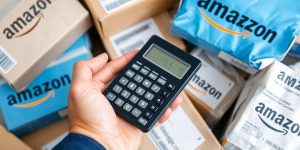
Using Amazon’s FBA Fee Calculator
Amazon offers a handy FBA fee calculator that helps sellers estimate the fees associated with their products. This tool is crucial for evaluating the profitability of new listings. Before you even put a product up for sale, calculate the fees to make sure it’s worth your while. Adjust your pricing strategies based on these calculations to ensure you cover all costs and still make a profit.
Leveraging Third-Party Tools
There are several third-party tools designed to help you manage your Amazon business more efficiently. These tools can assist with everything from inventory management to identifying opportunities to save on fees. Some popular tools include:
- Reimbursement Services: Recover funds for lost or damaged inventory.
- SellerPulse by eComEngine: Get insights into return trends and reasons, helping you adjust your strategy to minimize returns.
- FeedbackFive: Exclude refunded orders from review requests, ensuring your feedback is relevant and beneficial.
Staying Updated with Amazon Policies
Amazon frequently updates its policies, and staying informed is key to avoiding unexpected fees. Regularly check Seller Central for updates, and consider joining seller forums to exchange tips and experiences. Participating in these communities can keep you in the loop about changes that might affect your business.
Staying on top of Amazon’s policy changes isn’t just about avoiding fees—it’s about staying competitive in a constantly evolving marketplace. Sellers who adapt quickly to new rules can maintain their edge over those who don’t.
By utilizing these tools and resources, Amazon sellers can better navigate the complexities of FBA return fees. For more on how to enhance your inventory management and boost profitability, check out this strategies to minimize Amazon FBA fees guide.
Best Practices for Handling Returns
Efficient Return Management
Handling returns efficiently is crucial for maintaining a good relationship with your customers and keeping costs down. Quickly processing return requests can significantly reduce the time and fees associated with returns. Here are a few tips to manage returns effectively:
- Streamline Your Process: Ensure you have a clear, easy-to-follow procedure for handling returns. This might include setting up an automated system to manage return requests and refunds.
- Train Your Team: Make sure your customer service team is well-versed in your return policies and procedures. This helps in resolving issues quickly and efficiently.
- Use Technology: Leverage tools and software that can help track returns and gather data on return reasons. This can help in identifying patterns and areas for improvement.
Reducing Return Rates
Reducing the rate of returns is not only about saving costs but also about improving the overall customer experience. Here are some strategies to lower return rates:
- Improve Product Descriptions: Ensure that your product listings are accurate and detailed. Include high-quality images and videos to give customers a clear idea of what they are purchasing.
- Enhance Product Quality: Regularly review and improve the quality of your products. Conduct quality checks to ensure that products meet customer expectations.
- Educate Customers: Provide detailed instructions and usage tips for your products. This can help prevent returns due to customer misunderstanding or misuse.
Communicating with Customers
Effective communication with customers can prevent many returns. By addressing their concerns promptly and clearly, you can often resolve issues without the need for a return.
- Be Responsive: Respond to customer inquiries and issues as quickly as possible. This shows customers that you value their time and business.
- Offer Solutions: Sometimes, offering a replacement or a discount on a future purchase can satisfy a customer without needing a return.
- Gather Feedback: Use feedback from returns to improve your products and services. This can help reduce future returns and improve customer satisfaction.
Remember, managing returns effectively can not only save costs but also enhance your brand’s reputation. By implementing these best practices, you can turn returns into an opportunity to build trust with your customers.
Wrapping It Up: Navigating Amazon FBA Return Fees
Alright, so we’ve covered a lot about Amazon FBA return fees. It’s clear that these fees can really eat into your profits if you’re not careful. But don’t worry, there are ways to manage them. Keep an eye on your return rates and try to understand why customers are sending stuff back. Maybe it’s a product issue, or maybe it’s something you can fix with better descriptions or customer service. Also, make sure you’re using all the tools Amazon offers, like their fee calculators, to stay on top of costs. At the end of the day, staying informed and proactive is your best bet to keep your business profitable. So, keep learning and adapting, and you’ll be just fine.
Frequently Asked Questions
What are Amazon FBA return fees?
Amazon FBA return fees are charges that sellers incur when customers return products. These fees cover the cost of processing the returned items.
How do return fees affect sellers?
Return fees can reduce sellers’ profits because they have to pay for the cost of processing returns, which can add up if many items are returned.
Are there any exemptions to Amazon’s return fees?
Yes, some products like clothes and shoes might be exempt from return fees because they’re often returned due to size issues. Also, products with low sales volume may be exempt.
What factors influence the calculation of return fees?
Return fees depend on factors like the product’s size and weight, the category it belongs to, and how often it’s returned.
How can sellers minimize return fees?
Sellers can minimize return fees by improving product quality, providing clear descriptions, and offering excellent customer service to reduce the number of returns.
What tools can help manage return fees?
When it comes to tools to help you manage FBA fees you have 1 option that will change the way you run your Amazon FBA business. Check out FBAmultitool for all your product analysis and fee calculations.


